Why Winter is the Perfect Time for a Peel
If you’ve been following my skincare advice for a while, you’ll know that I often say summer skin is made in winter. Chemical peels can play a really valuable part in improving your skin health, and winter is a particularly good time to start considering them as part of your wider skincare routine.
At this time of year, we’re constantly moving between cold outdoor temperatures and centrally heated homes. Add in a busy festive period, perhaps a few more glasses of wine and a little less attention to our usual skincare habits, and it’s not surprising that our skin can start to look and feel a little different.
Whilst chemical peels can help address a range of skin concerns, there are still quite a few misconceptions about how they work and what to expect from treatment. So, what makes winter such a good time for a skin peel, what benefits can they offer and do you actually need to peel to see results? Here are a few things worth knowing.
What is a chemical peel and how does it work?
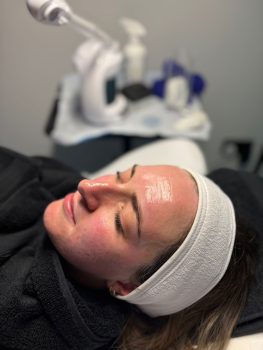
A chemical skin peel is a professional treatment that uses carefully selected active ingredients to exfoliate the skin and encourage skin cell renewal. Different ingredients, such as glycolic acid, lactic acid, salicylic acid and mandelic acid, work in different ways, which is why choosing the right peel for your individual skin concerns is so important.
With my specialist nursing background in wound care, I’ve spent a significant part of my nursing career understanding how the skin functions, how it protects us and how it repairs itself. That knowledge is something I bring into my aesthetics practice. For me, skin treatments aren’t just about improving how your skin looks. It’s about understanding what’s happening within the skin and how we can support it to function well.
What skin concerns can chemical peels help with?
- Acne and breakouts, including congested pores
- Pigmentation and uneven skin tone
- Fine lines and early signs of ageing
- Dull or tired-looking skin
- Rough or uneven skin texture
- Superficial acne scarring
Why is winter a good time to have a chemical peel?
Whilst chemical peels can be carried out throughout the year for suitable patients, there are some advantages to having them during the colder months. Certain chemical peels can leave your skin more sensitive to sunlight, so the generally lower levels of UV exposure during a UK winter can make this easier to manage. That doesn’t mean you can put your SPF away until spring, though.
Winter is also a good time to start addressing some of the effects of summer sun exposure. You may have noticed areas of pigmentation or uneven skin tone becoming more apparent following the summer months, and certain peels can help improve the appearance of these concerns. If your goal is to feel more confident wearing less makeup next summer, now is a good time to start thinking about your skin. Giving yourself several months allows us to work on your skin concerns gradually, assess how your skin responds and make changes to your treatment plan where needed.
Does my skin actually need to peel for a chemical peel to work?
Not necessarily.
When you hear the words chemical peel, you might imagine having to hide away for a week whilst your skin visibly sheds, but not all chemical peels work like this. Some peels cause very little visible peeling, whilst others may result in noticeable flaking, dryness or tightness for a couple of days.
It’s important to understand that more peeling doesn’t automatically mean better results, and a stronger peel isn’t necessarily a better peel. The type of peel I recommend will depend on your skin, the concerns we’re looking to address and how much downtime is appropriate for you. We’ll discuss all of this during your consultation so you know what to expect and can plan your treatment around your lifestyle.
Can I have a chemical peel if my skin is dry or sensitive?
This is where understanding your skin barrier becomes particularly important. If your skin is feeling dry, tight or flaky during winter, your first instinct might be to exfoliate it. However, if your skin barrier is already compromised, further exfoliation could actually make things worse.
Sometimes we need to take a step back, look at what you’re using at home and give your skin some time to recover before introducing professional treatments. Just because you’ve come to see me about a chemical peel doesn’t mean that’s necessarily the treatment I’ll recommend. If I feel your skin would benefit more from a different treatment or some changes to your home skincare routine, that’s the advice I’ll give you.
What should I expect after a chemical peel?
How your skin looks and feels following a chemical peel will depend on the type and depth of peel you’ve had, as well as how your individual skin responds. You may experience some temporary redness, dryness, tightness, sensitivity or visible peeling, but most treatments involve very little downtime.
How you look after your skin during this time is just as important as the treatment itself. I’ll provide you with specific aftercare advice, but generally, this will include:
- Using gentle skincare products that support your skin barrier.
- Avoiding picking or pulling at any peeling skin, however tempting it might be.
- Taking a break from exfoliating products and certain active ingredients until advised otherwise.
- Wearing broad-spectrum SPF every day.
- Yes, even in the middle of winter when it’s raining and you’ve barely seen the sun all week.
If you’ve read any of my previous skincare advice, you’ll already know how strongly I feel about SPF. There is very little point in investing in professional skin treatments if you’re not going to protect your skin afterwards. The sun emits two main types of ultraviolet rays. UVB rays are responsible for burning the skin, while UVA rays contribute to premature ageing and are present all year round, even during winter. Daily SPF should be a non-negotiable part of your routine, regardless of the weather.
How often should I have a chemical skin peel?
There isn’t a set answer to this, as it depends on your skin, the type of peel and what we’re looking to achieve. Some people may benefit from an individual treatment, whilst others may see greater improvements through a course of peels alongside a recommended home skincare routine. I prefer to look at your skin as a whole rather than focus on one treatment in isolation. What you’re using at home, how well your skin barrier is functioning and how consistently you’re protecting your skin can all influence the results we achieve in clinic. Professional skin treatments should complement good skincare habits, not replace them.
How do I know which chemical peel is right for me?
You don’t need to know which chemical peel you want before coming into The Aesthetics Lab. In fact, you don’t even need to know whether a chemical peel is the right treatment for you. That’s what your consultation is for. We’ll spend time looking at your skin, discussing your concerns, reviewing your current skincare routine and understanding what you’d like to achieve before deciding on the most appropriate approach.
One of the reasons I enjoy working in aesthetics is being able to help people feel better about themselves. For me, that doesn’t mean encouraging you to have more treatments. It’s about helping you make informed decisions about your skin and recommending treatments that are genuinely appropriate for you. If you’re interested in finding out more about chemical peels or would like some advice on improving your skin health this winter, you can book a skin consultation with me at The Aesthetics Lab in Wigan.
All treatments are discussed and recommended following a full medical consultation.